 Reviews
 (973)
(973)

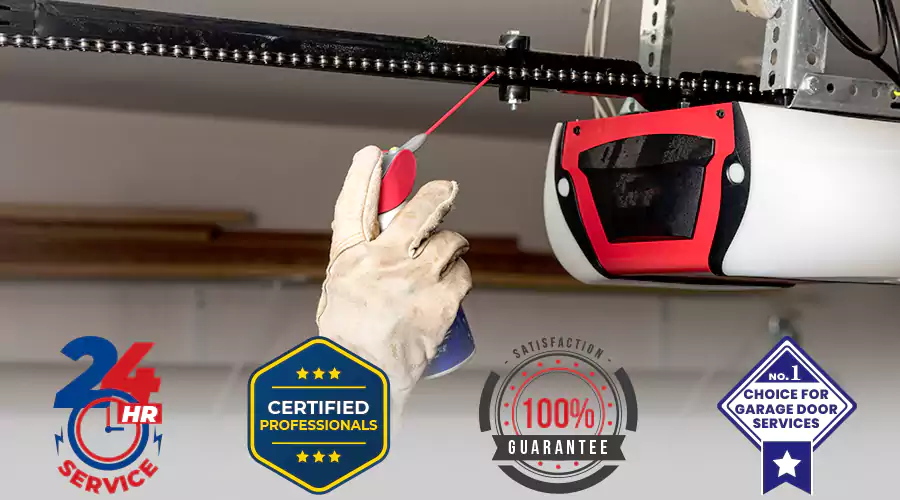
A properly lubricated garage door forms one of the most essential components of garage door maintenance tips that every homeowner should follow. When you neglect lubrication, the constant friction between moving parts leads to premature wear, loud squeaks, and even mechanical failure. In this article, we’ll explain why garage door lubrication matters, offer a garage door lubrication guide for all the key components, and provide a DIY garage door maintenance plan you can follow. You’ll also learn how to choose the best garage door lubricant, how to fix garage door squeaking, and how to maintain hinges, rollers, and tracks. By following a garage door lubrication schedule, you’ll enjoy smoother operation, garage door noise reduction, and longer life for your system.
Why Lubrication Matters?
Every time your garage door opens and closes, parts like rollers, hinges, tracks, and springs rub against each other. Without lubrication, this friction cause wear, metal fatigue, and can even strain the opener motor. Regular lubrication helps in garage door upkeep, reducing the load on all components and preventing breakdowns.
Unlubricated parts often lead to garage door squeaking fix complaints—neighbors will hear the squeal when the door cycles. A well-oiled door runs quietly, which contributes directly to garage door noise reduction. In fact, many garage door failures originate from neglected joints or stiff rollers—not the opener itself.
Proper lubrication also helps resist corrosion, especially in humid or coastal climates. Even if your steel parts are galvanized, you'll benefit from a thin film of lubricant to shield surfaces. Thus, lubrication equals both performance and protection.
How Often to Lubricate (Garage Door Lubrication Schedule)
A key part of proper garage door lubrication is doing it on a reliable schedule. In general, you should lubricate your door:
- Every six months under normal conditions
- Every three months in harsh or corrosive environments
- After heavy usage, or following a winter season if snow or salt has accumulated
Sticking to this garage door lubrication schedule ensures you catch early signs of wear and maintain smooth operation all year long.
What to Lubricate — Key Parts and Methods
Here’s a garage door lubrication guide for the main parts you should attend to. Each sentence includes one of the keywords you provided:
- Start by cleaning debris from the garage door track maintenance area to prevent grit mixing into the lubricant.
- Use a silicone-based or synthetic garage door lubricant spray to coat rollers, hinges, and springs.
- For garage door roller lubrication, apply a small amount to the ball bearing area and wipe off excess.
- When working on garage door hinge lubrication, target the pivot points and bushings.
- Don’t forget the spring and extension tubes—spray inside the coil for full coverage.
- Lightly coat the garage door track maintenance surfaces where rollers run, but avoid overapplication.
- Lubricate garage door opener gears (if accessible) with a manufacturer-approved grease.
- For long telescoping arms, apply grease along the sliding surfaces.
Below is a table summarizing the parts and recommended lubricant application:
| Component | Type of Lubricant | Application Tips |
|---|---|---|
| Rollers | Silicone or Teflon spray | A light coat on bearings, then wipe excess |
| Hinges & pivot points | White lithium or silicone spray | Work the hinge through full motion after applying |
| Spring coils | Lightweight spray or aerosol | Spray inside the coils gently |
| Tracks | Dry silicone spray | Dust lightly; avoid wet or sticky lubricants |
| Opener internal gears | Manufacturer’s grease is best | Only if manufacturer allows access |
| Bolt joints / latches | Silicone or lithium spray | Small amount on pivot points and connections |
Step-by-Step: How to Lubricate Garage Door Correctly
- Disconnect power: Always turn off or unplug the garage door opener before you start.
- Clean moving parts: Use a cloth or brush to remove dust, old grease, or debris.
- Spray lubricant: Use the garage door lubricant spray on components as per your plan above.
- Work the door: Manually lift and lower the door several times to distribute the lubricant evenly.
- Wipe off excess: Use a clean rag to remove drips or puddles that may accumulate dirt or drip onto the floor.
- Restore power and test: Operate the door with the opener to confirm quiet, smooth movement.
- Inspect results: Listen for squeaks, check alignment, and tighten any hardware if needed.
- Make notes: Record the date and any observations for your garage door upkeep log.
Troubleshooting: Garage Door Squeaking Fix and Noise Reduction
If your door still squeaks after lubrication, try these steps:
- Check for bent or misaligned garage door track maintenance, as rollers rubbing incorrectly may cause noise.
- Replace old or failing rollers—modern ball-bearing rollers can reduce friction dramatically.
- Examine hinge pins and bushings; sometimes the fix is new pivot hardware rather than more lubricant.
- Verify that you used a correct best garage door lubricant—cheap WD-40 or household oil may not last under cyclic stress.
- Confirm that you wiped off excess lubricant since runoff can attract grit that eventually induces squeaks.
For garage door noise reduction, aim for consistency in lubrication and use high-quality sprays designed for garage systems.
Choosing the Best Garage Door Lubricant
Not all lubricants are created equal. When selecting the best garage door lubricant, look for:- A silicone, Teflon (PTFE), or synthetic formula suited for metal surfaces
- Low-viscosity to avoid drag
- Non-gumming and non-staining properties
- Corrosion inhibitors
- A spray nozzle or straw for precision
Safety & Additional Tips for Garage Door Maintenance
- Always garage door maintenance tips include safety first: never lubricate while the door is moving or under load.
- Use safety glasses and gloves to protect yourself from spray mist or sharp edges.
- Check all mounting bolts and hardware; loose parts can shift and cause friction.
- Inspect the weather seal at the bottom and lubricate it lightly if rubber-on-metal noise occurs.
- Keep records of your garage door lubrication schedule to monitor performance trends.
- Even with DIY practices, consider a pro check every few years to catch hidden wear, misalignment, or balance issues.
Final Thoughts
Maintaining a garage door isn’t glamorous, but it's a crucial element of caring for your home’s security, convenience, and longevity. Following this garage door lubrication guide will help you perform proper garage door lubrication confidently. With a disciplined garage door lubrication schedule, you reduce friction, minimize noise, lengthen component life, and avoid costly repairs down the road. Use only the best garage door lubricant, take time during your DIY garage door maintenance sessions, and watch your system operate smoothly. Over time, those small steps add up to safer, quieter, and more reliable performance.
